
_900.webp "5 Common AdBlue® Mistakes That Could Cost Your Business Thousands")
5 Common AdBlue® Mistakes That Could Cost Your Business Thousands
For transport operators, workshops, agricultural businesses and fleet managers, AdBlue® has become a routine part of vehicle maintenance. However, despite its widespread use, many businesses still make avoidable mistakes that can lead to costly repairs, vehicle downtime and reduced operational efficiency.
Modern diesel vehicles rely on sophisticated Selective Catalytic Reduction (SCR) systems to meet emissions regulations, and these systems depend on high-quality AdBlue® being stored, handled and used correctly.
Here are five of the most common AdBlue® mistakes and how your business can avoid them.
1. Letting AdBlue® Tanks Run Empty
One of the most costly mistakes fleet operators make is ignoring low-level AdBlue® warnings.
Modern vehicles are designed to provide multiple alerts as AdBlue® levels decrease. If the tank is allowed to run empty, many vehicles will eventually enter a restricted operating mode or prevent the engine from restarting altogether.
For commercial fleets, this can result in:
- Vehicle downtime
- Missed deliveries
- Recovery costs
- Driver disruption
- Reduced productivity
The solution is simple: implement routine AdBlue® level checks as part of regular vehicle inspections and servicing schedules.
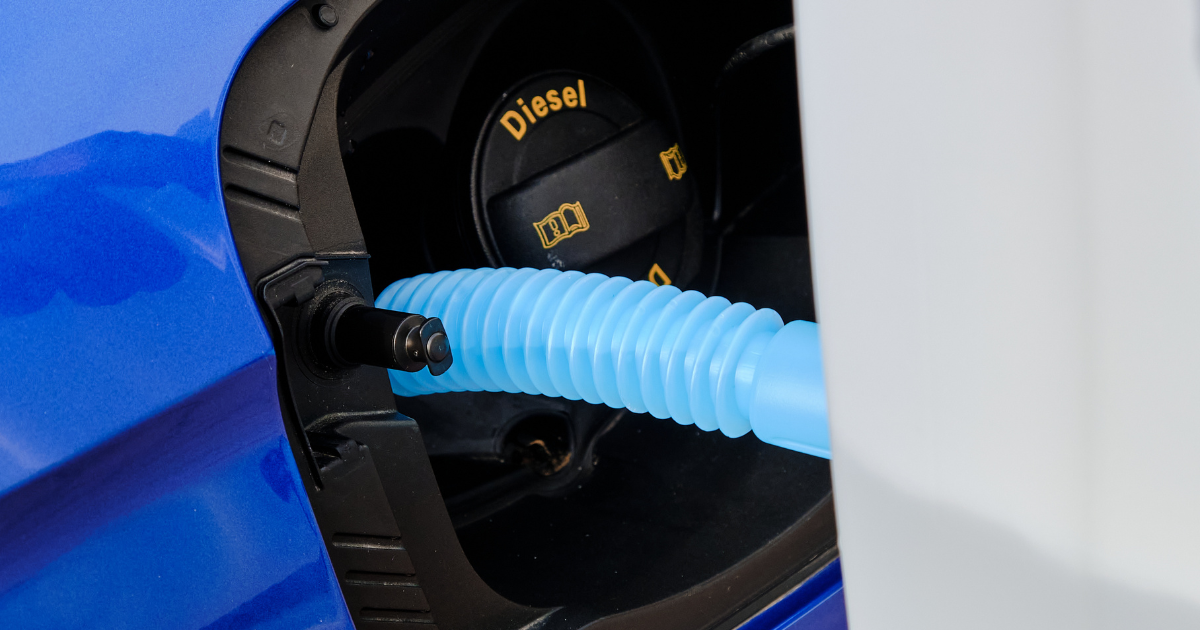
2. Using Low-Quality or Non-Compliant AdBlue®
Not all AdBlue® products are equal.
SCR systems are designed to operate with AdBlue® manufactured to strict quality standards. Poor-quality or contaminated products can damage sensitive components including:
- Dosing units
- Pumps
- Injectors
- SCR catalysts
The cost of replacing these components can quickly run into hundreds or even thousands of pounds.
Always source AdBlue® from a reputable supplier and ensure the product meets recognised industry standards.
3. Poor Storage Practices
AdBlue® is a highly pure fluid and can easily become contaminated if stored incorrectly.
Common mistakes include:
- Leaving containers open
- Storing near chemicals or fuels
- Using unsuitable transfer equipment
- Exposing product to prolonged direct sunlight
- Allowing dirt or debris to enter storage containers
Even small amounts of contamination can affect SCR system performance and potentially trigger fault codes.
Best practice is to store AdBlue® in clean, sealed containers and use dedicated dispensing equipment.
4. Cross-Contamination During Refilling
AdBlue® should never be handled using equipment that has previously been used for diesel, lubricants, antifreeze or other automotive chemicals.
Cross-contamination is one of the leading causes of SCR system issues and can occur through:
- Dirty funnels
- Shared pumps
- Contaminated containers
- Poor handling procedures
What may seem like a small amount of contamination can have significant consequences for the emissions system.
Businesses should ensure dedicated equipment is used exclusively for AdBlue® storage and dispensing.
.png)
5. Focusing Solely on Price
When procuring AdBlue®, some businesses focus entirely on securing the lowest price per litre.
While cost control is important, selecting the cheapest supplier without considering quality, reliability and service can prove expensive in the long term.
Key considerations should include:
- Product quality
- Supply reliability
- Availability
- Delivery performance
- Technical support
- Compliance with industry standards
A dependable supply partner can help reduce operational risk while ensuring vehicles remain compliant and on the road.
Why These Mistakes Matter
SCR systems are designed to help diesel vehicles meet increasingly stringent emissions regulations. When AdBlue® is not managed properly, businesses can face:
- Increased maintenance costs
- Vehicle downtime
- Failed emissions systems
- Reduced operational efficiency
- Unexpected repair bills
For fleets operating multiple vehicles, even a single issue can have a ripple effect across schedules, deliveries and customer service.
The Bottom Line
AdBlue® may seem like a straightforward consumable, but managing it correctly can make a significant difference to fleet performance and operating costs. By avoiding common mistakes such as poor storage, contamination, low-quality products and running tanks empty, businesses can protect their vehicles, maintain compliance and minimise costly downtime.
At Miswa Chemicals, we supply high-quality AdBlue® solutions to workshops, distributors, fleet operators and commercial businesses across the UK, helping customers keep their vehicles moving efficiently and reliably.