
_900.webp "Workshop Efficiency in 2026: How Automation in Chemical Packaging Improves Reliability for Distributors")
Workshop Efficiency in 2026: How Automation in Chemical Packaging Improves Reliability for Distributors
The UK automotive aftermarket is experiencing increasing pressure for faster delivery, consistent product quality, and better operational efficiency. Distributors and workshops alike are searching for suppliers that can offer reliability, flexibility, and stable supply chains.
One of the biggest advances enabling this is automation in chemical packaging.
.png)
1. Why automation matters for the modern automotive aftermarket
Demand for high‑quality, fast‑turnaround chemicals, screenwash, coolant, brake fluid, and more has grown sharply. Workshops rely on these consumables not just for service work, but for maintaining workshop uptime and workflow predictability.
For suppliers, this means:
- Fewer packaging errors
- Faster throughput
- Better consistency and product traceability
- More reliable supply for distributors
These advantages directly support B2B customers who cannot afford stock delays or quality inconsistencies.
2. Miswa’s investment in end‑of‑line automation
Miswa has already taken major steps in this direction. The company automated three end‑of‑line packaging processes as part of its ongoing operations upgrade. According to the company’s blog, this shift:
- Improved efficiency
- Enhanced product integrity
- Increased flexibility for customers requiring different formats and packaging types
These improvements represented “a significant step forward” in production capability.
This gives distributors and workshops more confidence in product consistency, an increasingly crucial factor when choosing a chemical supplier.
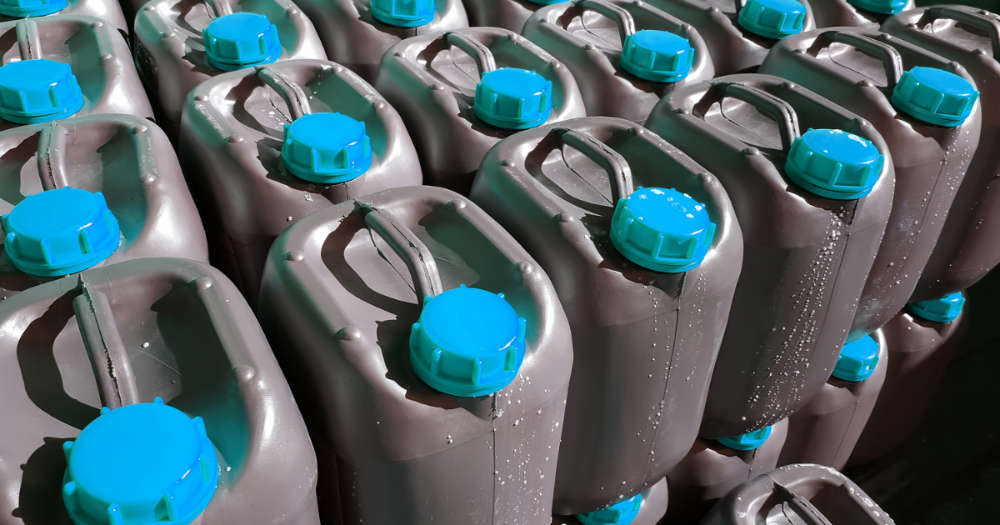
3. Why automation increases supply-chain reliability
✔ Reduced human error
Automation improves filling accuracy and reduces packaging defects.
✔ Faster production and better lead times
Higher throughput means suppliers can react more quickly to spikes in demand, which is important for seasonal products like screenwash or antifreeze.
✔ Stronger packaging quality
Better sealing, labelling, and consistency reduce downstream problems.
✔ Improved product integrity
Automated systems handle chemicals precisely, minimising contamination risks and maintaining stability.
.png)
4. What this means for B2B buyers and distributors
For B2B distributors, garages, and motor factors, automation delivers key advantages:
- More reliable ordering and delivery schedules
- Reduced returns or quality concerns
- Lower stockpile requirements due to supply consistency
- Improved customer satisfaction downstream (garage to retail customer)
In a competitive industry dominated by multinational giants, Miswa’s agility and automation investments help it deliver faster, more flexible service, a capability noted in its operational profile.
5. The future of automated chemical supply in the UK aftermarket
As more suppliers shift toward robotics and automated packaging, distributors will benefit from more stable pricing, predictable quality, and stronger supply-chain resilience.
Workshops depend on fast, error‑free chemical consumables, and automation is quickly becoming the standard that differentiates premium suppliers from commodity vendors.