
_900.webp "Are You Using the Right Brake Fluid? Understanding the Difference Between Standard Brake Fluid and ESP Brake Fluid")
Are You Using the Right Brake Fluid? Understanding the Difference Between Standard Brake Fluid and ESP Brake Fluid
Brake fluid is one of the most critical components in any vehicle's braking system, yet it is often overlooked when servicing and maintaining vehicles. While many assume that all brake fluids are the same, modern vehicles equipped with Electronic Stability Program (ESP), Anti-lock Braking Systems (ABS), and traction control systems may require a specialist low-viscosity brake fluid to ensure these systems perform as intended.
For workshops, motor factors, fleet operators and automotive distributors, understanding the difference between standard brake fluid and ESP brake fluid is essential to ensuring vehicle safety, compliance and optimum performance.
What Does Brake Fluid Do?
Brake fluid transfers the force applied to the brake pedal into hydraulic pressure, allowing the braking system to function effectively. Because it operates under high temperatures and pressures, brake fluid must maintain its performance in demanding conditions.
Most modern passenger vehicles use glycol-based brake fluids that meet DOT specifications, including DOT 3, DOT 4 and DOT 5.1. The correct fluid specification is determined by the vehicle manufacturer and should always be followed.
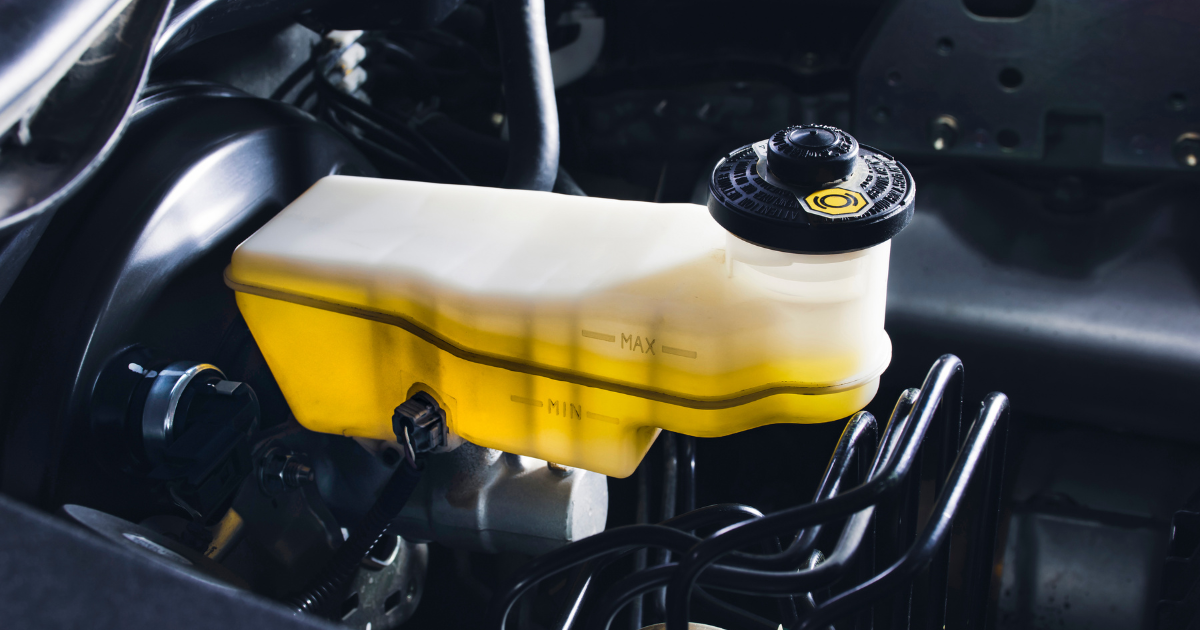
What Is Standard DOT 4 Brake Fluid?
Standard DOT 4 brake fluid is widely used across the automotive industry and is suitable for many vehicles on the road today.
It offers:
- Good high-temperature performance
- Reliable braking under normal driving conditions
- Compatibility with conventional hydraulic braking systems
- Protection against corrosion within the braking circuit
For many vehicles without advanced electronic stability systems, standard DOT 4 brake fluid remains an excellent choice.
However, braking technology has evolved significantly over recent years, leading to the increased use of ESP-specific formulations.
What Is ESP Brake Fluid?
ESP brake fluid, often referred to as Low Viscosity (LV) DOT 4 brake fluid, has been specifically developed for vehicles equipped with advanced electronic safety systems such as:
- Electronic Stability Program (ESP)
- Electronic Stability Control (ESC)
- Anti-lock Braking Systems (ABS)
- Traction Control Systems (TCS)
The primary difference lies in viscosity.
Whilst standard brake fluid becomes thicker at lower temperatures, ESP brake fluid maintains a significantly lower viscosity, allowing it to flow more rapidly through the braking system.
This enables the electronic control units and hydraulic modulators to react faster when making thousands of tiny braking adjustments every second.
.png)
Why Does Viscosity Matter?
Modern stability control systems rely on precise hydraulic pressure adjustments to keep vehicles stable during cornering, emergency manoeuvres and adverse weather conditions.
If the brake fluid is too viscous, particularly during cold weather, the system's response time can be affected.
Low-viscosity ESP brake fluid helps deliver:
Faster System Response
The fluid flows more quickly through valves and control units, enabling ABS and ESP systems to react instantly when required.
Improved Cold Temperature Performance
ESP brake fluid remains highly effective at lower temperatures, making it particularly important for vehicles operating through winter conditions.
Enhanced Vehicle Stability
Quicker hydraulic responses allow electronic safety systems to intervene more effectively, helping drivers maintain control in challenging driving situations.
Manufacturer Compliance
Many modern vehicle manufacturers now specify low-viscosity DOT 4 brake fluid as standard. Using an alternative specification could compromise system performance and potentially invalidate warranty requirements.
Can You Use Standard Brake Fluid Instead of ESP Brake Fluid?
This is one of the most common questions asked by workshops and vehicle operators.
While standard DOT 4 and ESP DOT 4 fluids may appear similar, they are not always interchangeable.
If a vehicle manufacturer specifically recommends DOT 4 LV or ESP brake fluid, using a standard brake fluid may reduce the effectiveness of sensitive electronic braking systems.
The safest approach is always to follow the manufacturer's specification.
For distributors and garages, carrying both standard DOT 4 and ESP brake fluid ensures the correct product is available for every application.
.png)
Which Vehicles Typically Require ESP Brake Fluid?
ESP brake fluid is increasingly common across:
- Modern passenger cars
- Premium vehicle brands
- Electric vehicles (EVs)
- Hybrid vehicles
- Light commercial vehicles with advanced driver assistance systems
- Vehicles fitted with electronic stability control systems
As vehicle technology continues to develop, low-viscosity brake fluid is becoming the preferred specification across a growing number of platforms.
Choosing the Right Brake Fluid for Your Customers
For automotive businesses, supplying the correct brake fluid is about more than simply meeting a DOT specification.
By understanding the requirements of modern braking systems, workshops and distributors can help customers:
- Improve vehicle safety
- Protect braking system performance
- Maintain manufacturer compliance
- Reduce the risk of costly component failures
Stocking both conventional DOT 4 and specialist ESP brake fluids allows businesses to support a wider range of vehicles while ensuring customers receive the most appropriate product for their application.
The Bottom Line
Modern braking systems are more sophisticated than ever, and the brake fluid used within them plays a vital role in their performance. While standard DOT 4 brake fluid remains suitable for many applications, vehicles equipped with ESP, ABS and other electronic safety features often require low-viscosity ESP brake fluid to deliver the rapid response times these systems demand.
Whether you're a motor factor, distributor, workshop or fleet operator, ensuring the correct brake fluid specification is used can make a significant difference to vehicle safety, reliability and performance.
For expert guidance on brake fluid selection and high-quality automotive fluids, contact Miswa Chemicals and discover our range of professional brake fluid solutions for modern vehicles.