Engine Overheating in Commercial Vehicles: Causes, Warning Signs and Prevention
Engine overheating is one of the most common and costly issues affecting commercial vehicles. Whether operating a fleet of delivery vans, HGVs or specialist vehicles, an overheating engine can quickly result in expensive repairs, vehicle downtime and disrupted operations.
Modern commercial vehicles are designed to operate under demanding conditions, but cooling systems must be properly maintained to perform effectively. Understanding the causes of overheating and identifying potential problems early can help fleet operators avoid significant maintenance costs and keep vehicles on the road.
In this guide, we'll explore the common causes of engine overheating, the warning signs drivers should watch for and the preventative maintenance steps that can help reduce the risk of breakdowns.
Why Engine Overheating Is a Serious Issue
Commercial vehicle engines generate significant amounts of heat during operation.
The cooling system is responsible for regulating engine temperature and preventing components from becoming excessively hot. When this system cannot remove heat efficiently, engine temperatures can rise beyond safe operating limits.
The consequences of overheating can include:
- Vehicle breakdowns
- Expensive repairs
- Damaged engine components
- Increased downtime
- Lost revenue
- Delayed deliveries
For businesses that depend on vehicle availability, preventing overheating should be a key part of any fleet maintenance programme.
.png)
How a Vehicle Cooling System Works
A vehicle's cooling system works by circulating coolant around the engine to absorb heat.
The heated coolant then flows through the radiator, where heat is removed before the coolant is recirculated through the engine.
Key cooling system components include:
- Radiator
- Water pump
- Thermostat
- Coolant hoses
- Cooling fan
- Expansion tank
- Antifreeze and coolant
If any of these components fail or become compromised, cooling efficiency can be reduced and overheating may occur.
Common Causes of Engine Overheating
Low Coolant Levels
One of the most common causes of overheating is insufficient coolant within the system.
Low coolant levels may result from:
- Leaks
- Evaporation
- Poor maintenance
- Component failures
Without adequate coolant circulation, the engine cannot effectively regulate temperature.
Regular coolant inspections can help prevent this issue before it causes damage.
Cooling System Leaks
Leaks can occur in:
- Hoses
- Radiators
- Water pumps
- Connections
- Expansion tanks
Even small leaks can gradually reduce coolant levels and increase the risk of overheating.
Routine inspections can help identify leaks before they become serious problems.
Faulty Thermostats
The thermostat regulates coolant flow throughout the engine.
If it becomes stuck in the closed position, coolant circulation may be restricted, causing engine temperatures to rise rapidly.
A faulty thermostat is a relatively small component that can lead to major problems if not replaced promptly.
Water Pump Failure
The water pump is responsible for moving coolant around the cooling system.
If the pump fails or becomes worn, coolant flow may be reduced, resulting in poor temperature control and potential overheating.
Blocked or Damaged Radiators
Radiators play a vital role in dissipating heat.
Over time, they can become blocked by:
- Dirt
- Road debris
- Corrosion
- Internal scale deposits
A restricted radiator cannot remove heat effectively, placing additional strain on the entire cooling system.
Incorrect or Degraded Antifreeze
Antifreeze does much more than provide winter protection.
It also helps:
- Prevent corrosion
- Improve heat transfer
- Protect cooling system components
- Reduce scale build-up
Using the wrong coolant or allowing antifreeze to deteriorate can reduce cooling system performance and contribute to overheating problems.
.png)
Warning Signs of Engine Overheating
Recognising early warning signs can help prevent major damage and costly repairs.
Drivers should be aware of:
Rising Temperature Gauge
An engine temperature gauge moving above its normal operating range is often the first sign of a cooling system issue.
Dashboard Warning Lights
Modern commercial vehicles are equipped with warning systems designed to alert drivers when temperatures become excessive.
These warnings should never be ignored.
Visible Steam
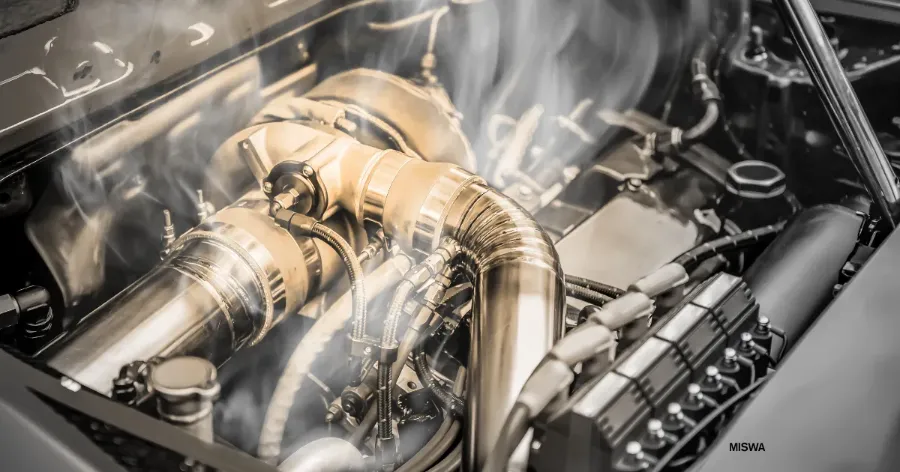
Steam coming from under the bonnet may indicate coolant boiling or escaping from the cooling system.
Coolant Loss
Frequent coolant top-ups can indicate a leak or other cooling system fault.
Reduced Vehicle Performance
Some modern vehicles may reduce performance when engine temperatures rise excessively in order to protect critical components.
The Cost of Ignoring Overheating Problems
Many overheating issues begin as relatively minor faults.
Ignoring early warning signs can result in more serious consequences, including:
- Head gasket failure
- Engine damage
- Damaged cooling system components
- Extended vehicle downtime
- Increased repair costs
For fleet operators, the indirect costs can be even greater when delivery schedules, driver productivity and customer commitments are affected.
How Fleet Operators Can Prevent Engine Overheating
Carry Out Regular Coolant Checks
Routine inspections should include:
- Coolant levels
- Coolant condition
- Signs of contamination
- Evidence of leaks
Monitoring coolant health helps identify issues before they escalate.
Use High-Quality Antifreeze
Modern OAT (Organic Acid Technology) antifreeze formulations provide long-lasting protection against:
- Corrosion
- Freezing
- Overheating
- Scale formation
Using the correct antifreeze specification helps maintain cooling system efficiency and support long-term engine reliability.
Inspect Hoses and Connections
Cooling system hoses should be checked regularly for:
- Cracks
- Wear
- Bulging
- Leaks
Replacing worn components before failure can help avoid unexpected breakdowns.
Service Cooling System Components
Water pumps, thermostats and radiators should be inspected according to vehicle maintenance schedules.
Preventative maintenance is often significantly less expensive than emergency repairs.
Train Drivers to Report Problems Early
Drivers are often the first to notice:
- Temperature warnings
- Coolant loss
- Performance changes
Encouraging prompt reporting helps maintenance teams address faults before they result in downtime.
.png)
Why Cooling System Maintenance Matters
Cooling system reliability is directly linked to vehicle reliability.
A well-maintained cooling system can help:
- Reduce breakdowns
- Improve vehicle uptime
- Extend engine life
- Lower repair costs
- Improve operational efficiency
For businesses operating commercial fleets, preventative cooling system maintenance is a simple but highly effective way to reduce operating risks.
Conclusion
Engine overheating remains one of the leading causes of vehicle breakdowns and costly repairs across the commercial vehicle sector. Fortunately, many overheating incidents are preventable through regular inspections and proactive maintenance.
Checking coolant levels, maintaining cooling system components and using high-quality antifreeze products can significantly reduce the risk of overheating while supporting engine performance and reliability.
For fleet operators, investing in cooling system maintenance today can help avoid costly downtime and repairs tomorrow.
MISWA supplies high-quality antifreeze, coolant and automotive maintenance products designed to help protect commercial vehicle cooling systems and keep fleets operating reliably throughout the year.
FAQ Section
What causes engine overheating in commercial vehicles?
Common causes include low coolant levels, cooling system leaks, faulty thermostats, water pump failures, blocked radiators and degraded antifreeze.
Can low coolant cause engine overheating?
Yes. Insufficient coolant reduces the cooling system's ability to remove heat from the engine and is one of the most common causes of overheating.
What are the warning signs of an overheating engine?
Warning signs include a rising temperature gauge, dashboard warning lights, visible steam, coolant loss and reduced vehicle performance.
How can fleet operators prevent engine overheating?
Regular coolant checks, preventative maintenance, cooling system inspections and the use of high-quality antifreeze products can help reduce overheating risks.
Why is antifreeze important for engine cooling?
Antifreeze helps regulate temperatures, prevents corrosion, protects against freezing and supports efficient heat transfer throughout the cooling system.